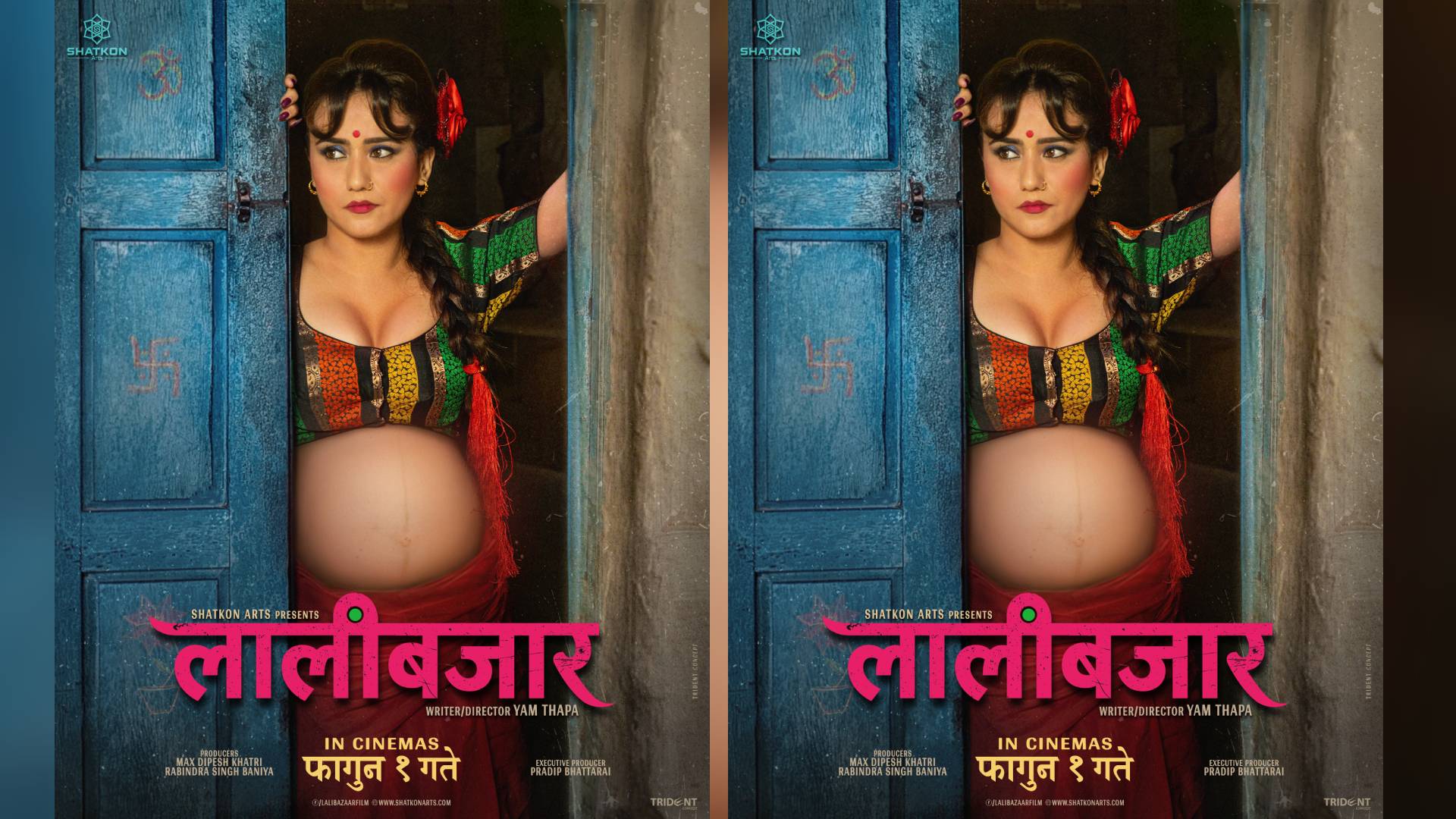
Meryl Streep once said an actor’s job is to let you feel what other lives feel like. Swastima Khadka took that literally, carrying the entire weight of Lalibazar on her back like a true Sherpa of the silver screen. Her character, Madhu, starts off blithely accepting her village's oppressive traditions and ends up fiercely resisting them. It’s easily the most powerful performance of her career, mostly because she has to carry a script that simultaneously tries to be a gritty social documentary and a musical extravaganza.
Musicals, Monsters, and Moustaches
Director Yam Thapa gives us the reality of the Badi community in Bardiya, complete with a textbook introduction to systemic heartbreak. The film tries to balance the heavy theme of institutionalized exploitation with catchy tunes by Prakash Saput and Khem Century. Nothing says "let's contemplate generational trauma" quite like a beautifully color-graded, foot-tapping background track, courtesy of cinematographer Susan Prajapati’s gorgeous shots of Bardiya.
Enter the villain, Raja (Rabindra Singh Baniya). Forget his acting—his moustache alone has its own intimidating aura and probably deserves separate billing. Armed with a shotgun and an inflated sense of entitlement, Raja represents the absurd local authority that insists on keeping horrible traditions alive.
The Formulaic Heartbreak
Despite having central female characters, Nepali cinema just couldn’t resist putting them into familiar, stereotypical boxes. Madhu plans a grand escape with her lover, Narayan (Bishal Devkota), but systemic poverty and societal stereotypes predictably drag her right back to square one. Thankfully, her daughter Maharani grows up to be the catalyst for change, proving that education is the ultimate plot device to trigger a high-stakes, audience-cheering climax. Oppression invites resistance, resistance invites vengeance, and vengeance apparently invites moviegoers to scream at the screen in collective catharsis.
Courtroom Dramas (Off-Screen)
But the real-life drama outpaced the cinematic one. While the movie aims to be a beautiful bridge to marginalized realities, some activists and community members weren't buying tickets; instead, they went straight to the Patan High Court and temporarily halted the screening. Half the audience was deeply moved, while the other half argued the film completely botched their actual reality.
Lalibazar leaves us with an unsettling reflection on caste and inherited oppression. It is a powerful, gorgeous, yet fundamentally flawed cinematic experience that literally transcended the screen—right into a legal battle.
The Verdict
-
The Good: Swastima Khadka's powerhouse acting and a moustache that deserves an Oscar.
-
The Bad: The usual predictable tropes and a history lesson that felt a bit light on facts.
-
The Spicy: A plot so controversial it managed to get temporarily banned by a high court.
Ayo Gorkhali Rating: (4 out of 5 Spices)
A bitter, necessary brew that leaves a strong aftertaste, even if the recipe is a bit messy.