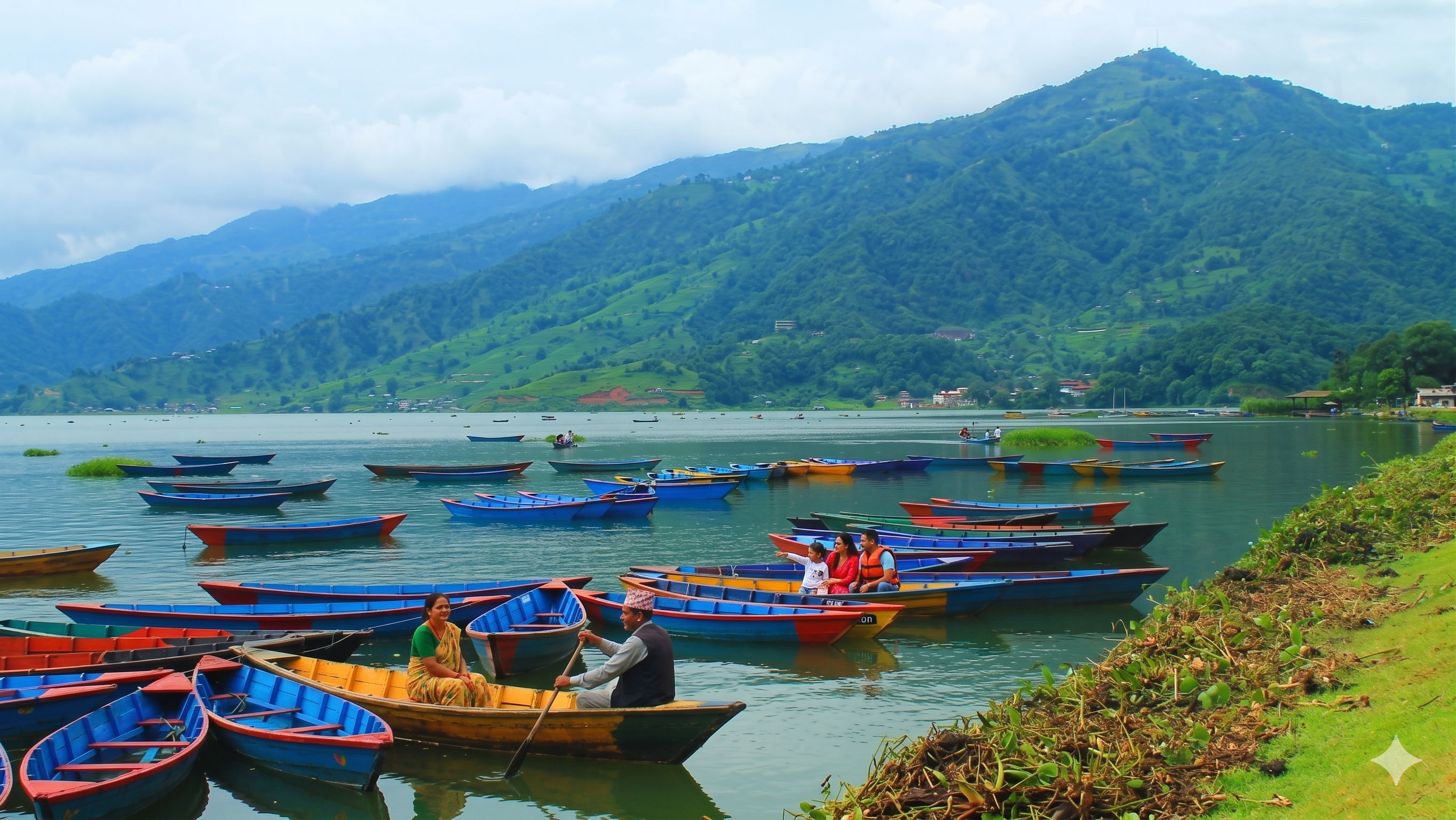
Pokhara in 2026 is a mood. It’s that rare place where you can watch the sunrise hit Machhapuchhre while sipping a $5 latte that costs more than your entire breakfast back in Kathmandu. Lakeside has officially transformed into a high-stakes playground where the "vibe" is currency, and the prices reflect a city that knows it’s the crown jewel of the Himalayas.
The Price of Paradise
Let’s talk about the elephant in the room: the bill. Walking down Lakeside today feels like a curated Instagram feed come to life. The food is undeniably expensive—you’ll find yourself paying "European prices" for a wood-fired pizza or a smoothie bowl. But somehow, when the sun starts to dip and the live acoustic sets drift out of the gardens, you stop caring. The vibe is immaculate. It’s a mix of chilled-out trekkers, Gen-Z digital nomads, and the Ayo Gorkhali grit that keeps the city running smoothly despite the chaos of the world.
The "Chula" on the Curb
However, the sanctuary has some leaks. We’ve all seen it: the large groups of Indian tourists who treat our scenic footpaths like an open-air cafeteria. There’s a specific kind of "tourist trauma" involved in seeing a pressure cooker whistling on a kerosene stove right next to the "Keep Pokhara Green" sign.
To stop the roadside cooking and the cringe-inducing requests for "entertainment," we need more than just polite signs. It’s time for strict zoning and high-entry permits. If you’re bringing your own kitchen in a Scorpio, you park in a designated "Camping Zone" far from the Lakeside strip—and you pay for the privilege. As for the "asking for girls" culture? That’s where the Tourism Police need to swap their whistles for handcuffs. Zero tolerance. We want tourists who bring respect, not those looking for a dark corner.
Beyond Thakali and Techno
Pokhara is getting a bit predictable. If I see one more "Authentic Thakali" sign or hear the same techno beat from three different clubs, I might jump into the lake. To make the city truly lively, we need to diversify:
-
Artisanal Hubs: Turn the old warehouses or quieter corners into pottery studios, local craft workshops, and open-mic theaters.
-
Water Sports 2.0: We have the lake; why stop at rowboats? Let’s get night-kayaking with LED lights or floating cinemas.
-
Cultural Fusion: Why not Newari street food markets or Gurung cultural festivals that aren't just for staged photos, but actual community events?
Pokhara doesn't need more bars; it needs more soul. We need spaces where you can do more than just consume; you should be able to create. The city is coasting on its natural beauty, but the 2026 traveler wants an experience that lingers longer than a hangover.
The Bottom Line: Pokhara remains the ultimate escape. But to keep it "Paradise," we need to start acting like the owners, not just the waiters. Good vibes aren't enough—we need a backbone.